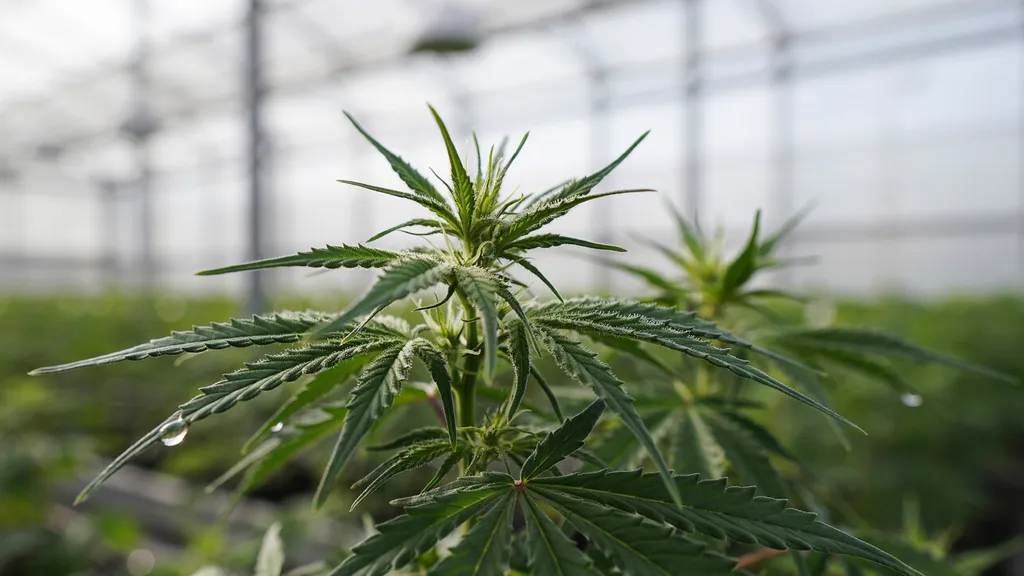
CBG (cannabigerol) is a cannabinoid found in smaller amounts than CBD or THC. It’s sometimes called the “mother cannabinoid.”
Why “Mother Cannabinoid”?
In the plant, CBGA (the acid form of CBG) is a precursor that converts into other cannabinoids, such as THCA and CBDA, as the plant matures. That’s why mature plants usually contain little CBG.
How CBG Products Are Made
Growers have bred hemp varieties that produce more CBG, and some harvest earlier to capture higher levels. Extraction then concentrates it.
Effects and Research
CBG is not known to be intoxicating. Research on its potential uses is still early, mostly lab and animal studies, so claims about specific benefits should be treated cautiously.
Buying Tips
- Check the COA for actual CBG content
- Note whether it’s combined with CBD
- Expect higher prices than CBD because it’s harder to produce
CBG vs. CBD
| CBG | CBD | |
|---|---|---|
| Abundance in mature hemp | Low | High |
| Intoxicating | Not known to be | No |
| Research | Early | More extensive |
| Typical price | Higher | Lower |
How CBG Products Are Sold
You’ll find CBG in oils (often blended with CBD), capsules, and isolate powder. Some brands sell “CBG-dominant” hemp flower.
Bottom Line
CBG is an interesting compound, but research is still young. If you try it, choose a lab-tested product and talk with a health professional if you take medications.
Quick Summary
- CBG is a precursor to other cannabinoids
- It isn’t known to be intoxicating
- Research is still early
- Verify CBG content with a lab report
Frequently Asked Questions
Does CBG get you high?
It isn’t known to be intoxicating.
Why is CBG more expensive?
It’s harder to produce in large amounts.
Can CBG show up on a drug test?
CBG itself usually isn’t tested, but products may contain THC.
Leave a Reply