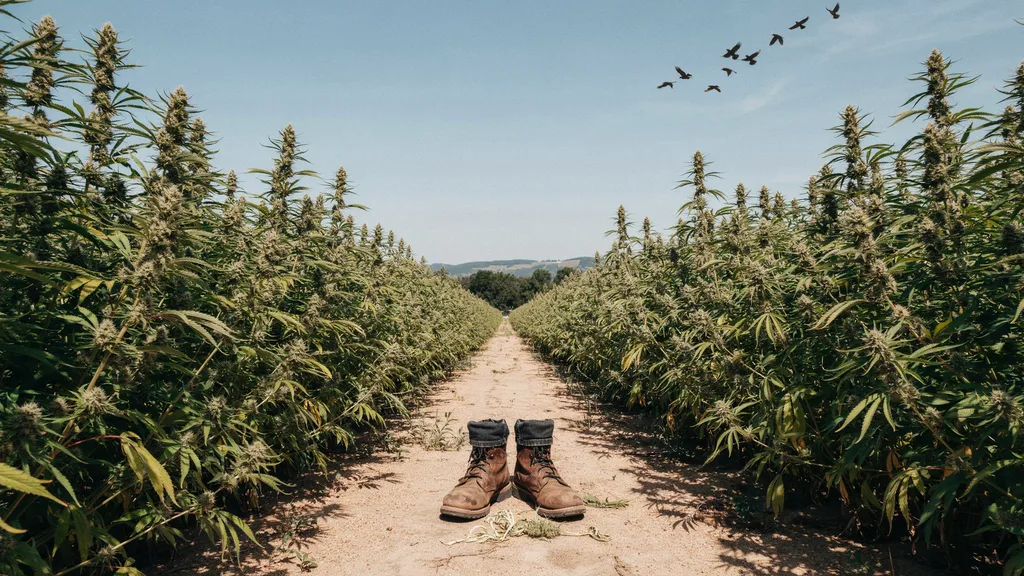
Hemp grown for CBD is managed very differently from hemp grown for fiber or seed.
Female Plants Only
CBD is concentrated in the flowers of female plants. Growers use feminized seeds or clones and remove male plants so flowers don’t produce seeds.
Licensing and Testing
Hemp growers must be licensed under state or USDA programs. Crops are tested before harvest to make sure THC stays within legal limits. “Hot” crops that exceed the limit may have to be destroyed.
Growing Conditions
Hemp needs good drainage, steady water, and plenty of sun. Growers watch for pests, mold, and nutrient problems.
Harvest and Drying
Plants are harvested when cannabinoid levels peak, then dried and cured carefully to prevent mold.
Seasons and Timing
Outdoor hemp is usually planted in late spring and harvested in fall. Indoor and greenhouse growers can produce multiple harvests each year with more control over conditions, but at higher cost.
Challenges for Farmers
- Price swings in the CBD market
- Strict THC testing deadlines
- Mold and pest pressure
- Labor-intensive harvest and drying
From Field to Shelf
After drying, hemp is sold to processors for extraction. Tracking each batch from farm to finished product supports quality and helps brands provide accurate lab reports.
Quick Summary
- CBD hemp is grown for female flowers
- Growers must be licensed and test THC
- Over-limit crops can be destroyed
- Careful drying protects quality
Frequently Asked Questions
How long does hemp take to grow?
Often around three to four months from planting to harvest.
What happens to hot hemp?
It may need to be destroyed or remediated.
Can anyone grow hemp?
Growers must be licensed.
Leave a Reply