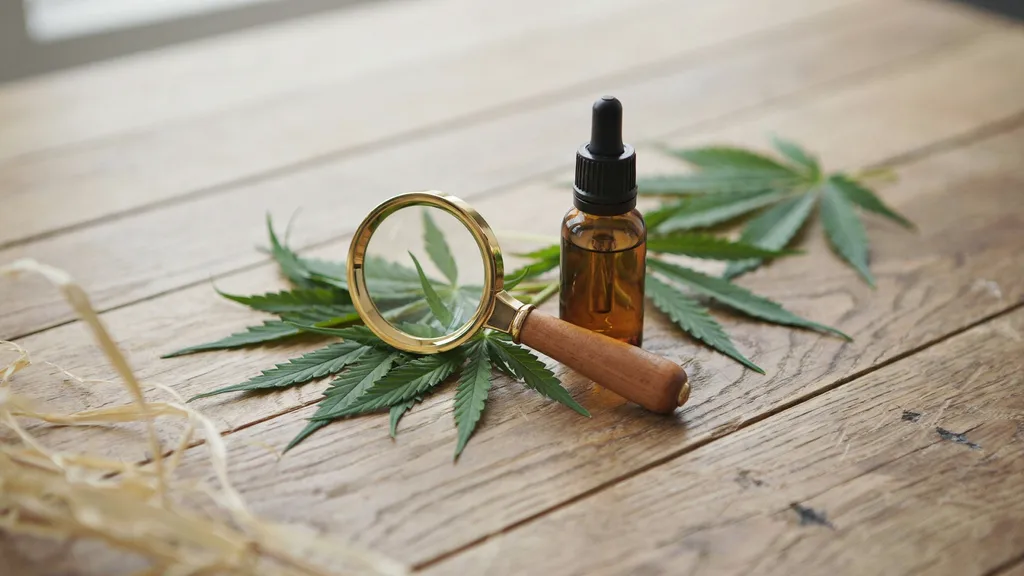
CBD’s popularity has created plenty of misinformation. Here are common myths and the reality.
Myth: CBD Is Legal Everywhere
Hemp-derived CBD is federally legal, but states regulate it differently, and many countries ban it.
Myth: CBD Can’t Show Up on a Drug Test
CBD itself isn’t usually tested, but trace THC in some products can cause a positive result.
Myth: More Is Always Better
There’s no proven “more is better” rule. Higher amounts increase cost and the chance of side effects or interactions.
Myth: All CBD Is the Same
Quality, potency, and purity vary widely. Lab testing is the only way to know what’s inside.
Myth: Natural Means Risk-Free
CBD can interact with medications and cause side effects like drowsiness or stomach upset in some people.
Myth: CBD Works Instantly for Everyone
People respond differently, and many marketing claims aren’t backed by solid research. Expect variability.
Myth: Hemp and Marijuana Are Completely Different Plants
Both are cannabis. The legal difference is THC content.
Myth: Price Equals Quality
Some expensive products are poorly made, and some affordable ones are well tested. Lab reports matter more than price.
How to Stay Informed
Look for information from health agencies, peer-reviewed research summaries, and health professionals rather than product websites.
Quick Summary
- Legality varies by location
- Trace THC can affect drug tests
- More isn’t automatically better
- Quality varies, and natural doesn’t mean risk-free
Frequently Asked Questions
Is CBD safe for everyone?
No. Talk to a doctor, especially if pregnant or taking medications.
Can CBD cause side effects?
Yes, including drowsiness and stomach upset.
Is CBD legal worldwide?
No. Laws vary by country.