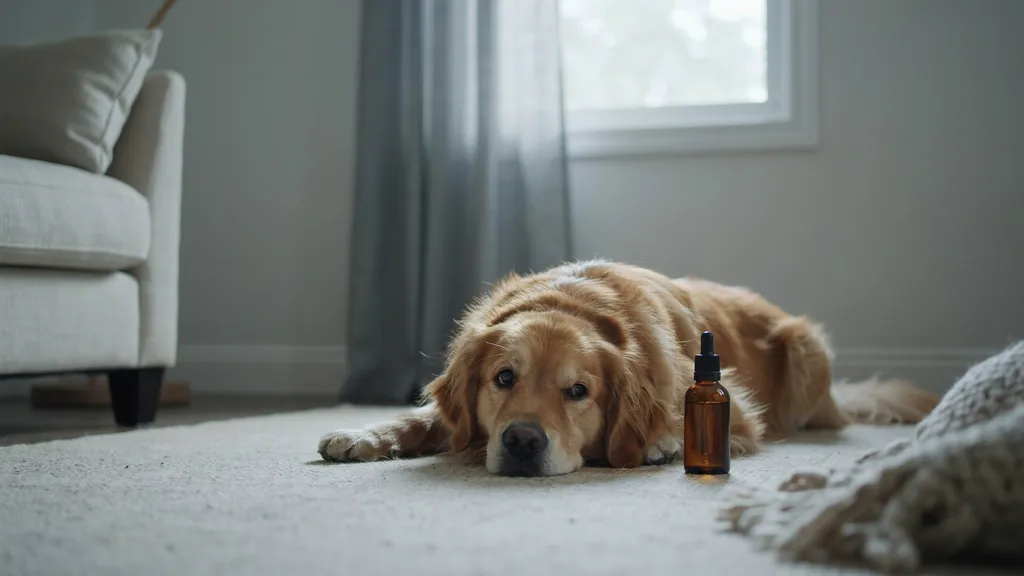
CBD treats and oils for pets are widely sold. Before trying them, it helps to know what’s known — and what isn’t.
Talk to Your Veterinarian First
Your vet knows your pet’s health history and medications. Rules about whether vets can recommend CBD vary by state, but they can still discuss risks and interactions.
What Research Shows
Some studies in dogs have looked at CBD for joint discomfort and seizures, but research is still limited. CBD products for pets are not FDA-approved animal drugs.
Safety Concerns
- THC is dangerous to pets. Choose products made for animals with lab results showing no THC
- Never give human edibles — they can contain THC, xylitol, or chocolate, which are toxic to pets
- Watch for side effects like drowsiness, vomiting, or loss of coordination
Buying Tips
- Choose products made specifically for pets
- Check for a batch-matched COA
- Follow label dosing based on weight
- Start low and monitor closely
Choosing a Pet Product
- Look for a lab report listing CBD, THC, and contaminants
- Choose formulas without xylitol, chocolate, or other pet-toxic ingredients
- Pick a format your pet will accept, such as oil or chews
- Choose products for the right species — dogs and cats differ
Keep a Log
Write down the amount given, time, and any changes you notice. Share the log with your vet, especially if your pet takes other medications.
When to Stop and Call a Vet
Stop use and contact your veterinarian if your pet seems unusually sleepy, wobbly, or vomits, or if behavior changes in a way that worries you.
Quick Summary
- Talk to your vet first
- Research in pets is limited
- THC and human edibles can be toxic to pets
- Use pet-specific, lab-tested products
Frequently Asked Questions
Can cats take CBD?
Cats process substances differently. Talk to your vet and use cat-specific products.
What if my pet eats human CBD gummies?
Contact your vet or an animal poison control center right away.
How fast does CBD work in pets?
It varies. Monitor closely and keep notes.
Leave a Reply