
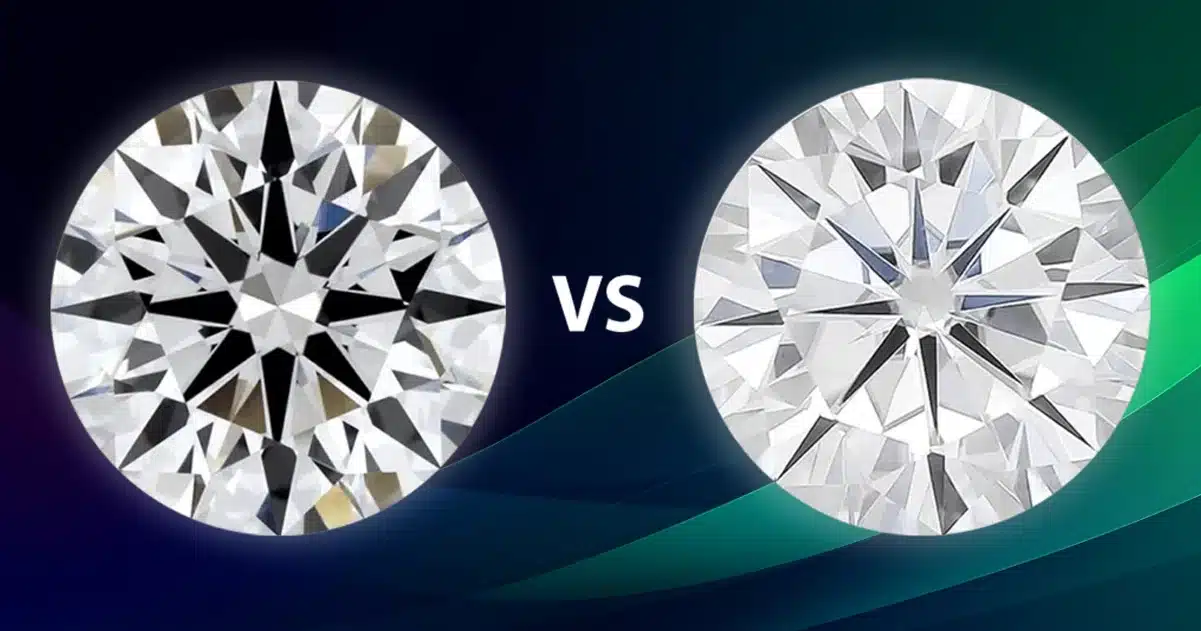
So, let’s start with a question: if you had to choose between a sparkling gem that looks like a diamond but isn’t, and one that is technically a diamond but grown in a lab, which way would you go? It sounds like a simple choice, but honestly, it’s more complicated than it seems. A lot of people are torn between moissanite and lab-grown diamonds. And when you dig a little deeper into the moissanita desventajas, you might start to see why this debate is everywhere.
A Little Background (and some real talk)
Picture this. You’re ring shopping. Maybe for an engagement, maybe just because you like a little sparkle on your hand (no judgment). The jeweler slides over two options. One: moissanite. Two: a lab diamond. Both are stunning. Both shine like crazy under the lights. And then you see the price tags. Moissanite is noticeably cheaper.
That’s when the brain chatter starts.
“Wait… am I getting ripped off if I pick the lab diamond? Or will people judge me if I go for moissanite instead?”
Let’s be honest. Jewellery isn’t just about the stone. It’s about what it says. Diamonds (lab-grown or natural) come with all that weighty symbolism: forever, romance, status, etc. Moissanite, on the other hand, is like the indie film of the gem world—gorgeous, a bit misunderstood, and often compared to the blockbuster diamond.
But here’s the kicker: moissanite isn’t even pretending to be a diamond. It’s its own gem with unique properties. And also, yes, some downsides.
The Real Talk on Options
So let’s break this down in a way that actually makes sense if you’re not a gemologist.
1. Moissanite
- Pros: Super sparkly (like, disco-ball levels sometimes). Affordable. Durable enough for everyday wear.
- Cons (aka moissanita desventajas): That sparkle? Sometimes it looks a little “too much.” In certain lighting, moissanite can give off rainbow flashes that scream “not a diamond.” Some people love it. Some don’t. Also, resale value isn’t great.
2. Lab Diamonds
- Pros: They’re real diamonds. Same chemical structure, same look, just grown differently. Usually 30–40% cheaper than mined diamonds. Ethically cleaner (no messy mining debates).
- Cons: Still pricier than moissanite. And resale value isn’t much better than moissanite, to be honest. The market for second-hand lab diamonds is still finding its place.
3. The Emotional Factor
Here’s the funny part: most of the stress isn’t about the science. It’s about perception. Your aunt might say, “Is that a real diamond?” Your friend might secretly Google “moissanite vs lab diamonds” when they see your ring. At the end of the day, it comes down to what you care about more: the symbolism or the sparkle.
Why the Buzz Is Different Here
Something interesting happens when you look at jewellery trends in different places. In North America, lab diamonds are exploding in popularity. In Europe, moissanite is starting to catch on, especially among younger buyers who are more budget-conscious. And in Latin America? The conversation around moissanita desventajas is a big deal, because the culture often still puts a lot of value on “real” diamonds.
Think about it. In some places, it’s less about whether it’s ethical or trendy—it’s about family pride, tradition, and what the ring represents. That’s why you’ll see more heated debates in certain markets than others.
How the Process Actually Works (without the boring jargon)
Alright, so say you’re seriously considering one of these options. How does it play out? Here’s the quick-and-dirty version:
- You decide what matters most. Price? Durability? Social approval? Be honest with yourself.
- Pick your stone. If you’re leaning moissanite, you’ll get more sparkle per dollar. If you’re leaning lab diamond, you’re paying for that “diamond authenticity” without the mine.
- Choose the cut. Round, oval, princess—this matters more than most people realize. A good cut can make moissanite look less “rainbow-y” and a lab diamond look more brilliant.
- Set it up. The setting makes a huge difference. A simple solitaire highlights the stone itself, while a halo or vintage setting can play up the glam.
- Own the choice. Seriously. Don’t half-apologize when someone asks. Whether it’s moissanite or a lab diamond, confidence sells it.
Wrapping It Up (because we could go on forever)
Here’s the thing: no one outside the jewellery world is walking around with a gem-testing kit in their pocket. Most people will just say, “Wow, pretty ring.” And honestly, isn’t that the point?
Moissanite’s disadvantages (or moissanita desventajas, if you’ve been Googling in Spanish) are real—but they’re not deal-breakers unless they clash with your personal priorities. Lab diamonds have their own quirks too. Neither is “wrong.”
At the end of the day, it comes down to what makes you smile when you look down at your hand. Because jewellery—whether moissanite, lab diamonds, or the biggest rock you can find—isn’t just about the stone. It’s about the story you’re telling.
