
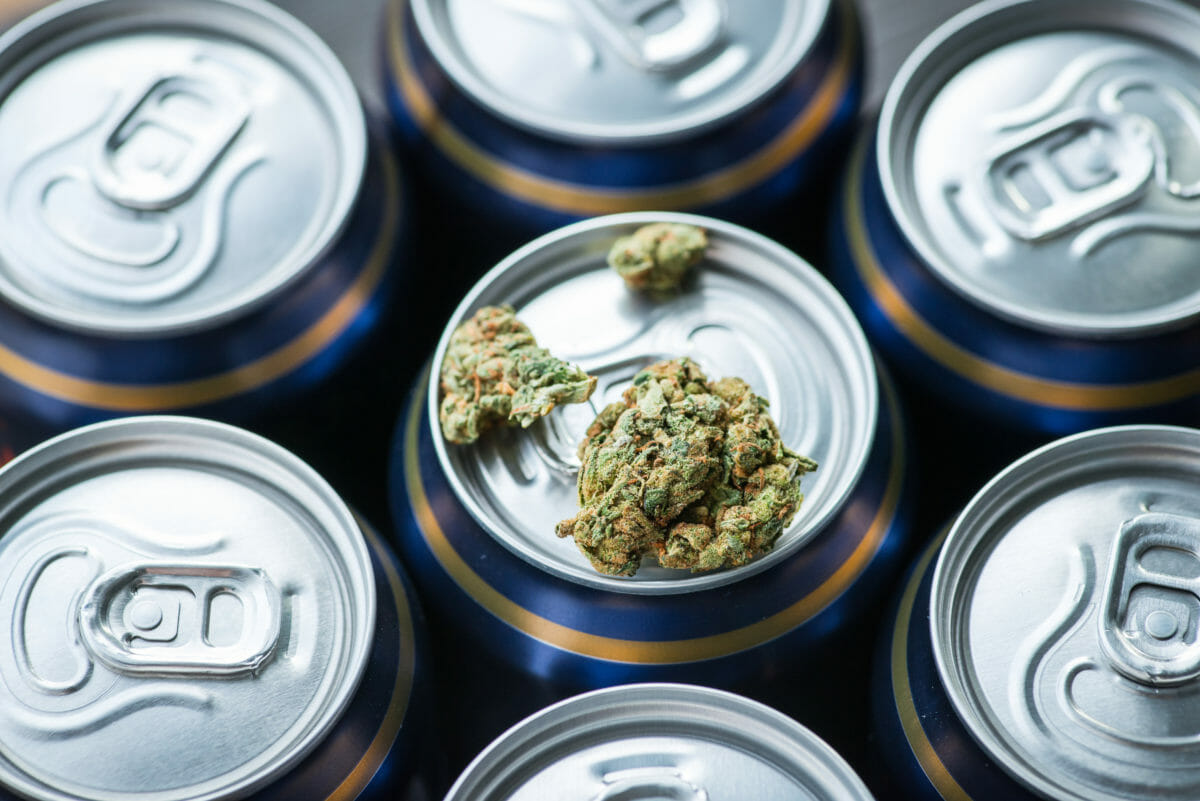
Industrial hemp, once overshadowed by misconceptions, is experiencing a remarkable resurgence in agriculture, proving its versatility in various industries from food and beverages to wellness products. With its recent federal legalization under the 2018 Farm Bill, hemp cultivation has rapidly expanded, allowing farmers and entrepreneurs alike to tap into its significant economic potential.
Growing Industrial Hemp: The Basics
Cultivating hemp begins with selecting the right variety for your climate and soil conditions. Hemp thrives in well-drained soils with a neutral to slightly alkaline pH (6.0 to 7.5). Ideally, planting occurs in late spring, ensuring the soil temperature consistently stays above 50°F (10°C). The plant’s rapid growth cycle—typically 90 to 120 days—allows for multiple harvests annually in some regions, providing farmers with substantial economic benefits.
Proper spacing is essential to optimize yields and prevent diseases. For fiber production, hemp seeds are densely sown, while plants grown for CBD-rich flowers and hemp seeds require more spacing, typically 3-5 feet between plants.
Hemp’s Versatile Applications
Hemp-Derived Beverages
One of the fastest-growing segments within the hemp industry is beverages, notably hemp-infused seltzers. These non-alcoholic drinks utilize hemp-derived cannabinoids, such as CBD and THC (under the legal limit of 0.3%), to offer consumers a relaxing, enjoyable experience without alcohol’s adverse effects. Select Hemp Infused Seltzers are at the forefront of a new wave of functional beverages, offering health-conscious consumers and those looking to cut back on alcohol a refreshing, flavorful alternative. With carefully crafted formulas, Select is helping to redefine social drinking through innovation and wellness-focused ingredients.
Hemp Gummies: Delicious and Functional
Hemp gummies, another significant product category, are gaining popularity as they deliver precise dosages of cannabinoids in a tasty, convenient form. Ideal for consumers seeking stress relief, improved sleep, or general wellness, hemp gummies are discreet and easy to integrate into daily routines. Select’s line of hemp gummies has successfully captured market attention by blending flavor innovation with high-quality hemp extracts.
Sustainable Textiles and Building Materials
Hemp’s utility extends far beyond consumables. Hemp fibers are increasingly used in textiles, providing sustainable alternatives to traditional cotton and synthetic fabrics. Hemp-based clothing is durable, breathable, and eco-friendly, significantly reducing environmental impact.
In the construction industry, hempcrete—created from hemp fibers mixed with lime—is celebrated for its insulating properties, durability, and environmental sustainability. This innovative material contributes significantly to greener building practices.
Personal Care Products
Hemp oil, extracted from hemp seeds, is a valued ingredient in skincare due to its moisturizing properties and balance of essential fatty acids. It’s commonly found in creams, lotions, shampoos, and soaps, enhancing skin hydration and overall health.
Future of Industrial Hemp
The continued expansion of hemp cultivation signals a promising future, driven by increased consumer demand for sustainable and wellness-oriented products. As agricultural techniques refine and regulations stabilize, the hemp industry is positioned to become a cornerstone of sustainable agriculture and product innovation.
Farmers interested in hemp cultivation can leverage this growth by staying informed on best cultivation practices, exploring versatile applications of hemp, and partnering with innovative companies at the forefront of product development. Whether in beverages, gummies, textiles, or building materials, the potential for hemp-based products is vast and promising.
