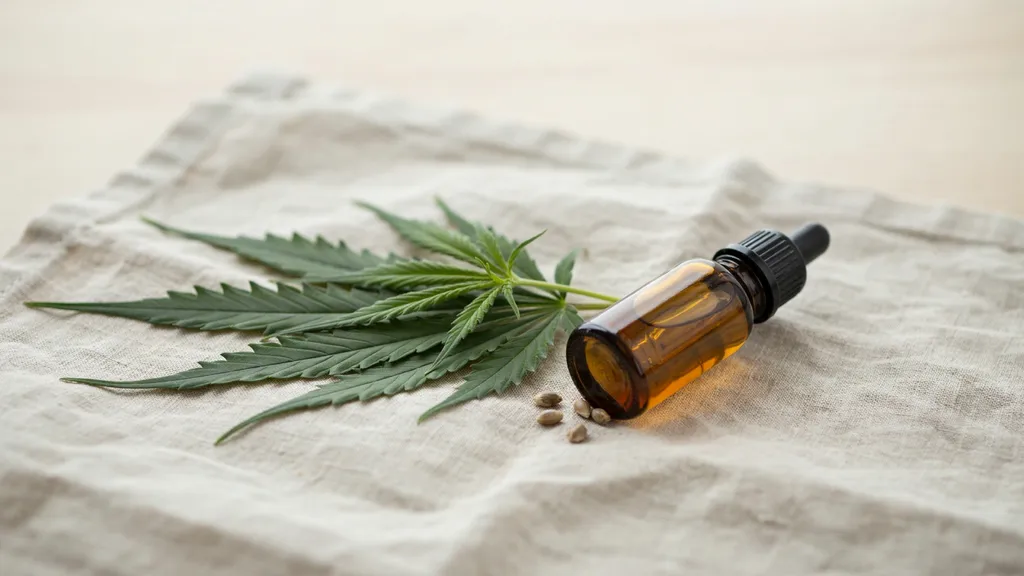
“Hemp-derived” means the cannabinoids in a product were extracted from hemp rather than marijuana.
Hemp vs. Marijuana
Both are cannabis plants. Under federal law, hemp is cannabis with no more than 0.3% delta-9 THC by dry weight. Marijuana has more THC and is regulated differently.
Why It Matters
- Hemp-derived products are generally legal federally, though state rules vary
- The label says nothing on its own about quality or purity
- Some hemp-derived products are converted into intoxicating cannabinoids like delta-8
What to Check
- The COA’s cannabinoid profile
- Delta-9 THC levels
- Whether intoxicating cannabinoids are present
Hemp-Derived Doesn’t Mean Non-Intoxicating
Many intoxicating products — delta-8, delta-10, THCA flower, and some delta-9 edibles made from hemp — are sold as “hemp-derived.” The phrase describes the legal source of the plant, not the effect of the product.
What Labels Should Also Show
- Total THC per serving
- CBD per serving
- Batch number
- Warnings about impairment where applicable
Bottom Line
Read the whole label and the lab report. Don’t rely on the word “hemp” to tell you how a product will affect you.
Quick Summary
- Hemp-derived means sourced from low-THC cannabis
- It’s about legal source, not quality
- Some hemp products can still be intoxicating
- Lab reports tell the full story
Frequently Asked Questions
Is hemp-derived CBD legal?
Federally, yes, but state laws vary.
Can hemp-derived products get you high?
Some can, like delta-8 or THCA products.
How can I tell?
Check the lab report for THC and other cannabinoids.
Leave a Reply