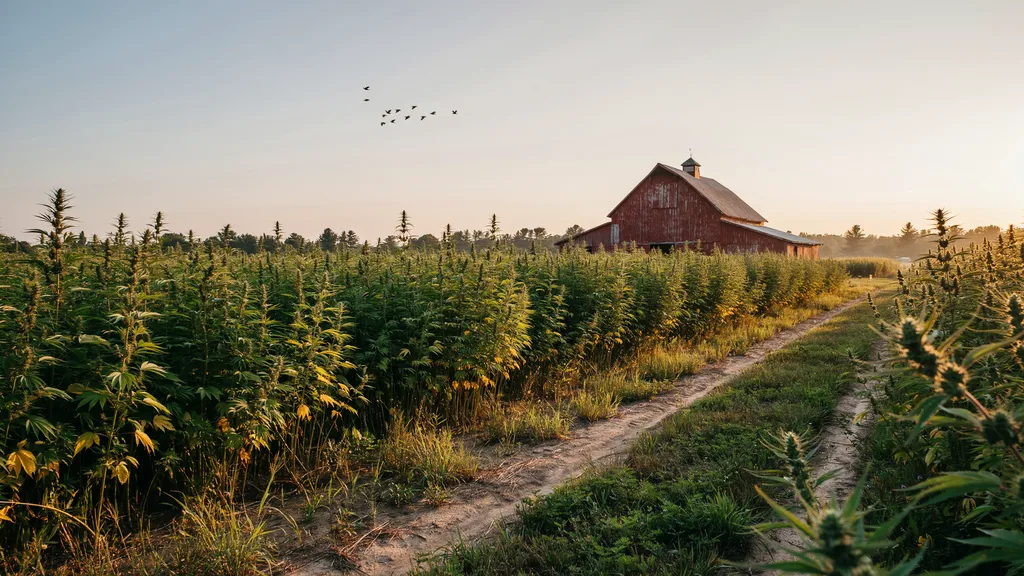
Hemp has a long and complicated history in the United States.
Colonial Roots
Colonists grew hemp for rope, sails, cloth, and paper. It was a valuable crop for shipping and everyday goods.
Decline and Restriction
As cotton and other materials became cheaper, hemp’s importance faded. In the 20th century, federal laws aimed at marijuana effectively shut down hemp farming because the plants are related.
Wartime Comeback
During World War II, the U.S. government encouraged farmers to grow hemp for rope and other military supplies when imports were cut off.
The Modern Return
The 2014 Farm Bill allowed hemp pilot programs, and the 2018 Farm Bill removed hemp (with no more than 0.3% delta-9 THC) from the federal controlled substances list. Since then, hemp has been grown for CBD, fiber, seeds, and building materials.
The Role of the 1937 Marihuana Tax Act
The 1937 Marihuana Tax Act placed heavy taxes and regulations on cannabis, including hemp. Combined with competition from synthetic fibers, it caused hemp farming to decline sharply.
The Controlled Substances Act
In 1970, the Controlled Substances Act classified cannabis — without a clear distinction for hemp — as a Schedule I substance, ending legal commercial hemp farming for decades.
Hemp Today
Modern hemp farmers grow for several markets: CBD and other cannabinoids, fiber for textiles and construction, and seed for food. Each market requires different plant varieties and farming methods, and the industry continues to evolve as regulations change.
Quick Summary
- Hemp was an important colonial crop
- Federal restrictions ended commercial farming for decades
- WWII briefly revived it
- The 2018 Farm Bill legalized hemp again
Frequently Asked Questions
Did early American leaders grow hemp?
Hemp was a common crop in colonial America, grown on many farms.
When did hemp become legal again?
The 2018 Farm Bill legalized hemp federally.
Is hemp the same as marijuana?
They’re both cannabis, but hemp has very low THC.
Leave a Reply