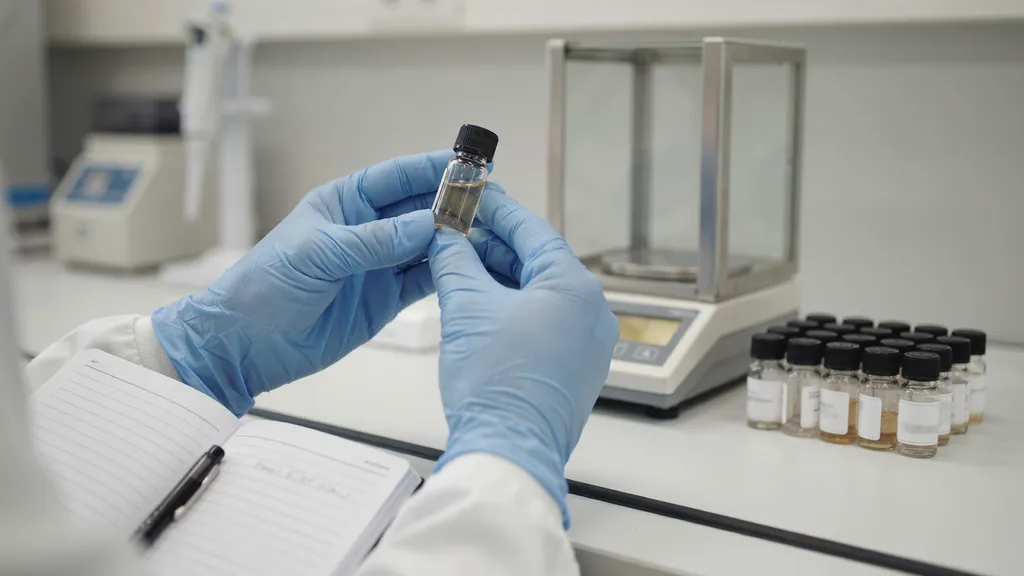
A certificate of analysis (COA) is a lab report showing what’s in a product. Reputable brands make COAs easy to find, often through a QR code on the package.
Check the Basics
- Lab name: It should be an independent, third-party lab — ideally ISO 17025 accredited
- Batch or lot number: Must match your product
- Test date: Recent enough to be relevant
Cannabinoid Profile
Shows the amounts of CBD, THC, and other cannabinoids. Compare the CBD amount to the label — it should be close. Check that delta-9 THC is within legal limits.
Contaminant Testing
A complete COA also tests for:
- Pesticides
- Heavy metals (lead, arsenic, mercury, cadmium)
- Residual solvents from extraction
- Microbes, mold, and mycotoxins
Red Flags
- No COA available
- COA from the brand’s own lab
- Batch numbers that don’t match
- Only a potency test with no contaminant testing
- CBD content far off from the label
Understanding Units
COAs often list results in different units:
- mg/g or % for concentration
- ppm or ppb for contaminants
To estimate total CBD in a product, multiply the concentration by the product’s weight or volume, or look for a “per container” or “per serving” figure.
“ND” and “LOQ”
- ND means “not detected”
- LOQ (limit of quantitation) is the lowest amount the lab can reliably measure
A result of “ND” with a high LOQ tells you less than “ND” with a very low LOQ.
Verifying a COA Is Real
Contact the lab directly or check if it offers online verification with a report number. Watch for reports that look edited, lack signatures, or come from labs you can’t find.
Quick Summary
- Look for an independent, accredited lab
- Match the batch number to your product
- Compare CBD and THC to the label
- Check for contaminant testing too
Frequently Asked Questions
Where do I find a COA?
On the brand’s website, through a QR code, or by request.
How recent should a COA be?
It should match your product’s batch.
What if a company won’t share its COA?
Choose a different brand.
Leave a Reply